Skip to content
Running game

Jump the River

At your own pace you walk through the ‘forest’ and jump over each ‘river’ without getting wet feet.

Ages
Ages 4–6
Duration
8 min
Pupils
5–20
Space
PE hall · Classroom

Source: Playworks Game Guide

How the hall is set up

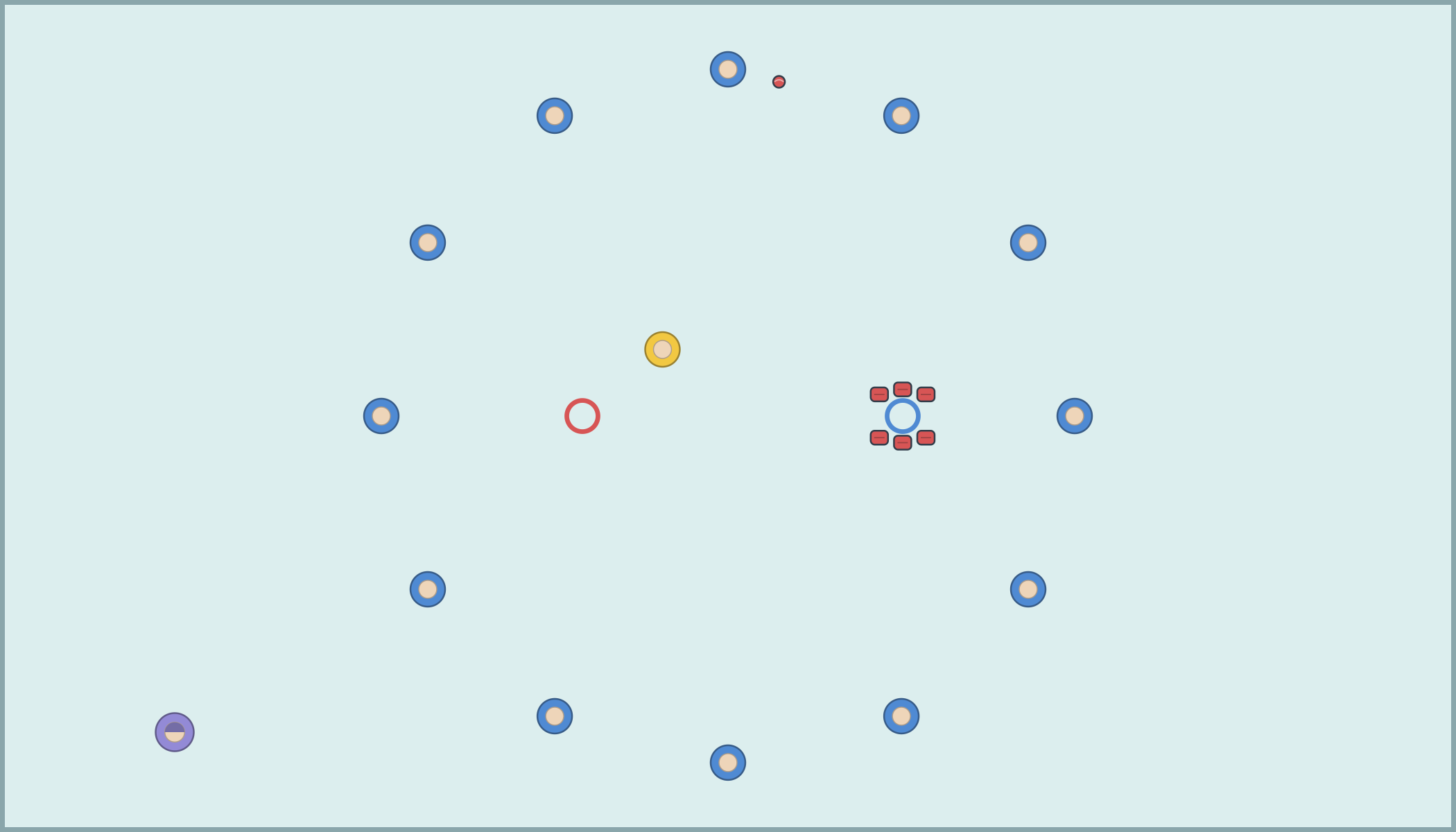
Whole hall · 21 × 12 m · 10 items

What you need

The game

How does it work?

‘Rivers’ lie around the hall: skipping ropes, hoops or strips of tape on the floor. While the class takes a walk through the forest, everyone jumps over each river without getting wet feet – landing on two feet, roughly shoulder-width apart – and then walks on to the next river.

Preparation

How to set it up

  1. 1Lay several ‘rivers’ around the hall: skipping ropes, hoops or strips of tape on the floor.
  2. 2Tell the story that the class is taking a walk through the forest and has to cross rivers on the way.
  3. 3Let children walk freely around the hall; at each river they jump over without getting ‘wet feet’.
  4. 4Have them land on two feet, roughly shoulder-width apart.
  5. 5After landing, have them walk on to the next river.

Set out

0/1

Organisation tip

Lay the rivers with plenty of distance between them so there is no congestion at a popular route.

Adjusting

Making it easier or harder

The same game has to work for 6-year-olds and 11-year-olds. These are the dials you can turn.

Drawing your own river

Have children draw their own river on paper, complete with fish and trees, and lay those drawings out as rivers on the floor.

With a book

Combine with a read-aloud book about rivers or journeys.

Varying width

Make some rivers wider than others for a varied challenge.

Movement skills

Where this lesson fits

Based on the Dutch national PE curriculum (SLO), this lesson practises the following themes. The goals below belong to phase 1 · ages 4–6.

Tag games

Whole theme

Chasing a runner to tag them, while the runner tries not to be tagged

  • tag games running away into open space
  • run-across tag games with a limited tagging area

Free jumping

Taking off to stay in the air for a long time

  • jumping down from standing
  • jumping on a springy surface

Vaulting

Taking off to stay in the air for a long time before and/or after placing your hands on a support

  • vaulting without a run-up or with a short run-up

Source: SLO, Inhoudslijnen primair onderwijs — Bewegingsonderwijs (July 2018). The link with this lesson is a suggestion based on the type of game and the description.

What pupils work on

  • Landing stably on two feet
  • Judging a jump independently
  • Moving through the space at your own pace

What to watch out for

Have children work independently of each other so they do not land at the same river at the same time.

Reviews from teachers

Verified teachers or guests (after approval) — real experiences

Not signed in?

Sign in with your school email address, or continue without an account — a moderator will then check your post before it appears.

Sign in with a school email

Loading reviews…

Not quite right?

Similar lessons

Running game

Adapted Rounders

One child moves beanbags across while the ball goes round the circle. How many can you move in that time?

Source: Combinatiefunctionarissen Sport van de gemeente Zwartewaterland

Ages 4–8 30 min PE hall, Playroom, Outdoors
Running game

Beanbag Hunt

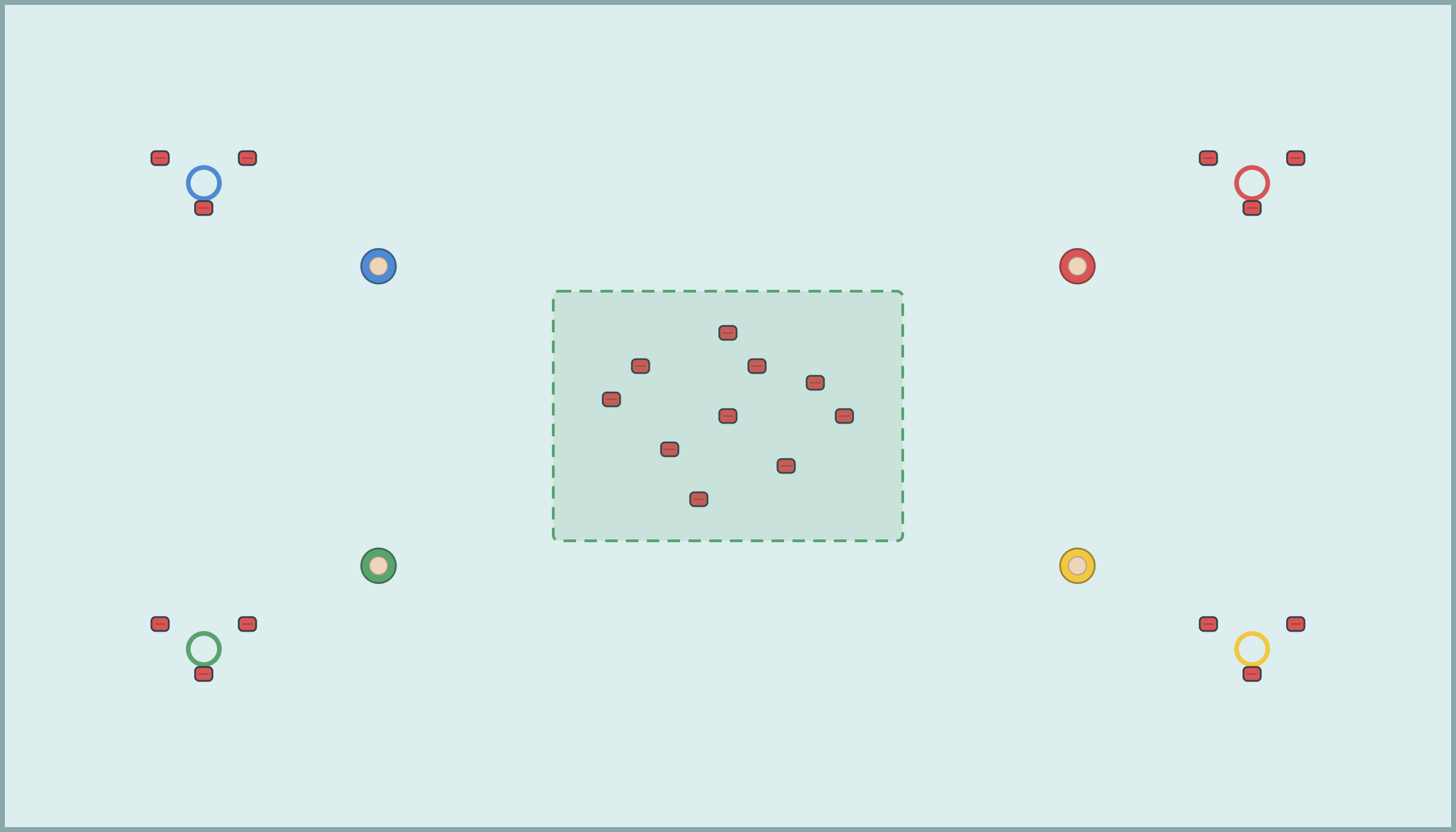
Fetch beanbags from the middle. Once it's empty, you can take them from other teams.

Source: PELessons.app editorial team

Ages 4–8 15 min PE hall, Playroom, Outdoors
Running game

Beginner Rounders

Rounders without a bat: you throw the ball in yourself and run past the coloured hoops.

Source: Combinatiefunctionarissen Sport van de gemeente Zwartewaterland

Ages 4–8 30 min PE hall, Playroom, Outdoors