Skip to content
Running game

Sardines

One child hides. Whoever finds them quietly squeezes in beside them.

Ages
Ages 4–8
Duration
30 min
Pupils
8–30
Space
PE hall · Playroom · Outdoors

Source: Combinatiefunctionarissen Sport van de gemeente Zwartewaterland

How the hall is set up

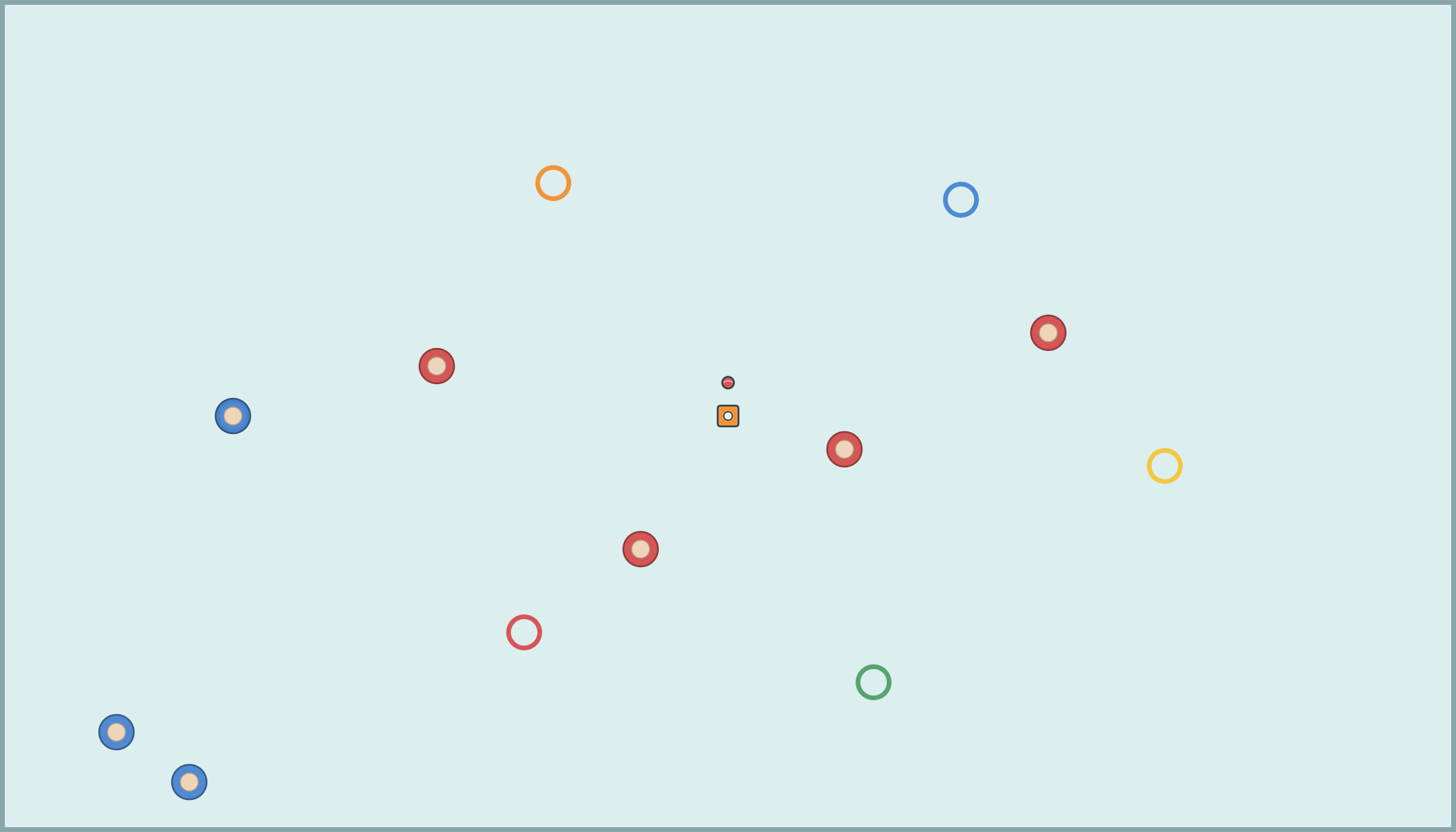
Whole hall · 21 × 12 m · 13 items

Hiding placesTellen tot twintigZoekers

What you need

The game

How does it work?

All the children sit in a row with their eyes closed and count to twenty together. In that time one child hides. Then the rest go searching. If you find the hidden child, you quietly sit down with them without anyone seeing, and then the two of you are hiding together. This way the hiding place slowly grows, and the last child still wandering around has lost. The nice thing is that the game gets quieter and quieter instead of busier.

Preparation

How to set it up

  1. 1Everyone counts to twenty with their eyes closed
  2. 2One child hides during that time
  3. 3If you find them, you quietly sit down with them
  4. 4Do it without the others seeing
  5. 5Whoever is still searching last has lost

Set out

0/1

Organisation tip

To give the children who are out something to do, you can set up a course as in the drawing: jump over an obstacle, jump from hoop to hoop, small sideways steps from cone to cone, then walk back and start again.

Adjusting

Making it easier or harder

The same game has to work for 6-year-olds and 11-year-olds. These are the dials you can turn.

Harder

Fewer hiding places, or count for longer.

Movement skills

Where this lesson fits

Based on the Dutch national PE curriculum (SLO), this lesson practises the following themes. The goals below belong to phase 2 · ages 6–9.

Tag games

Whole theme

Tag games

Chasing a runner to tag them, while the runner tries not to be tagged

  • running-away games with a task for the runners and/or more directions
  • run-across games with runners working together or with taggers in pairs
  • criss-cross games with safe spots and/or freeing and working together

Dodgeball games

Threatening a runner by trying to hit them with a ball, while the runner tries not to be hit

  • hitting and avoiding being hit in simple dodgeball games
  • hitting and avoiding being hit in hunter ball with a run-across

Source: SLO, Inhoudslijnen primair onderwijs — Bewegingsonderwijs (July 2018). The link with this lesson is a suggestion based on the type of game and the description.

What pupils work on

  • Reaction & Speed
  • Teamwork & Cooperation
  • Enjoyment of Movement

What to watch out for

Make sure pupils tag with a flat hand and keep their distance from obstacles.

Reviews from teachers

Verified teachers or guests (after approval) — real experiences

Not signed in?

Sign in with your school email address, or continue without an account — a moderator will then check your post before it appears.

Sign in with a school email

Loading reviews…

Not quite right?

Similar lessons

Running game

Adapted Rounders

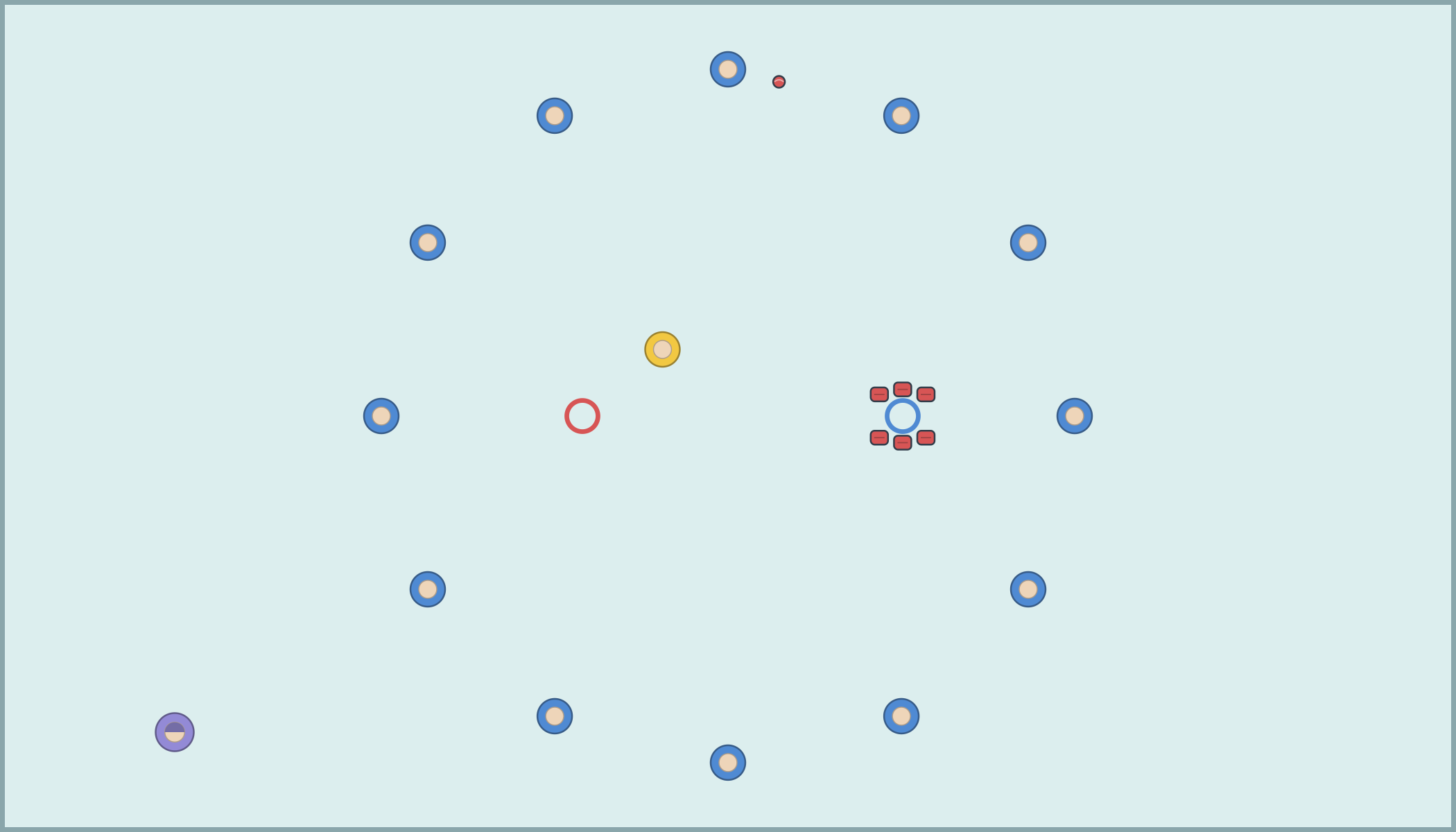
One child moves beanbags across while the ball goes round the circle. How many can you move in that time?

Source: Combinatiefunctionarissen Sport van de gemeente Zwartewaterland

Ages 4–8 30 min PE hall, Playroom, Outdoors
Running game

Beanbag Hunt

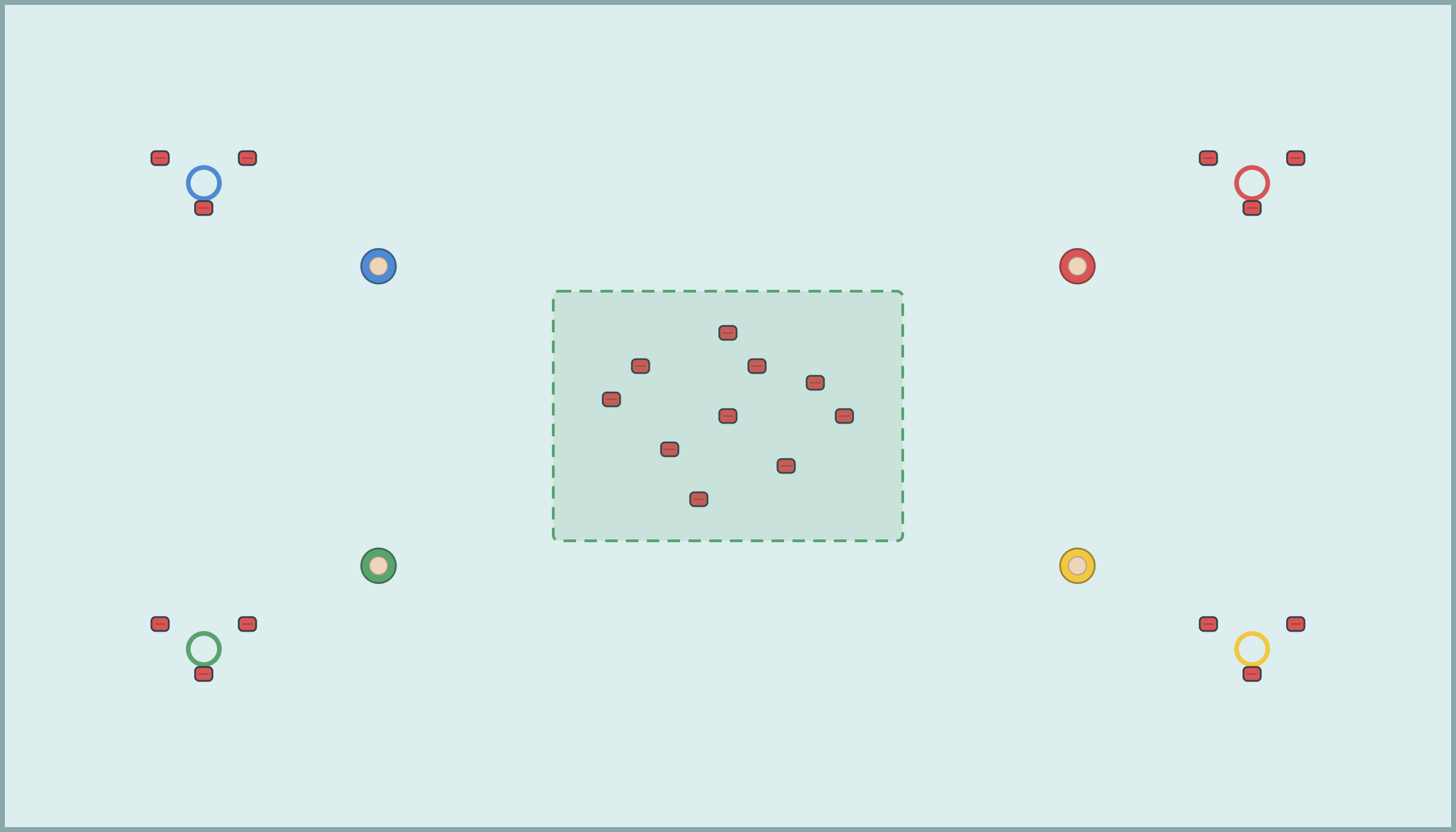
Fetch beanbags from the middle. Once it's empty, you can take them from other teams.

Source: PELessons.app editorial team

Ages 4–8 15 min PE hall, Playroom, Outdoors
Running game

Beginner Rounders

Rounders without a bat: you throw the ball in yourself and run past the coloured hoops.

Source: Combinatiefunctionarissen Sport van de gemeente Zwartewaterland

Ages 4–8 30 min PE hall, Playroom, Outdoors