Skip to content
Gymnastics

Acrogym with Task Cards

Children practise acrogym shapes in pairs or small groups using 45 cards with stars for the level, from ages 4–6 up to the upper primary years.

Ages
Ages 4–12
Duration
30 min
Pupils
6–32
Space
PE hall

Source: KijkZo.nl (Mark & Kirsten Roth-Koch)

How the hall is set up

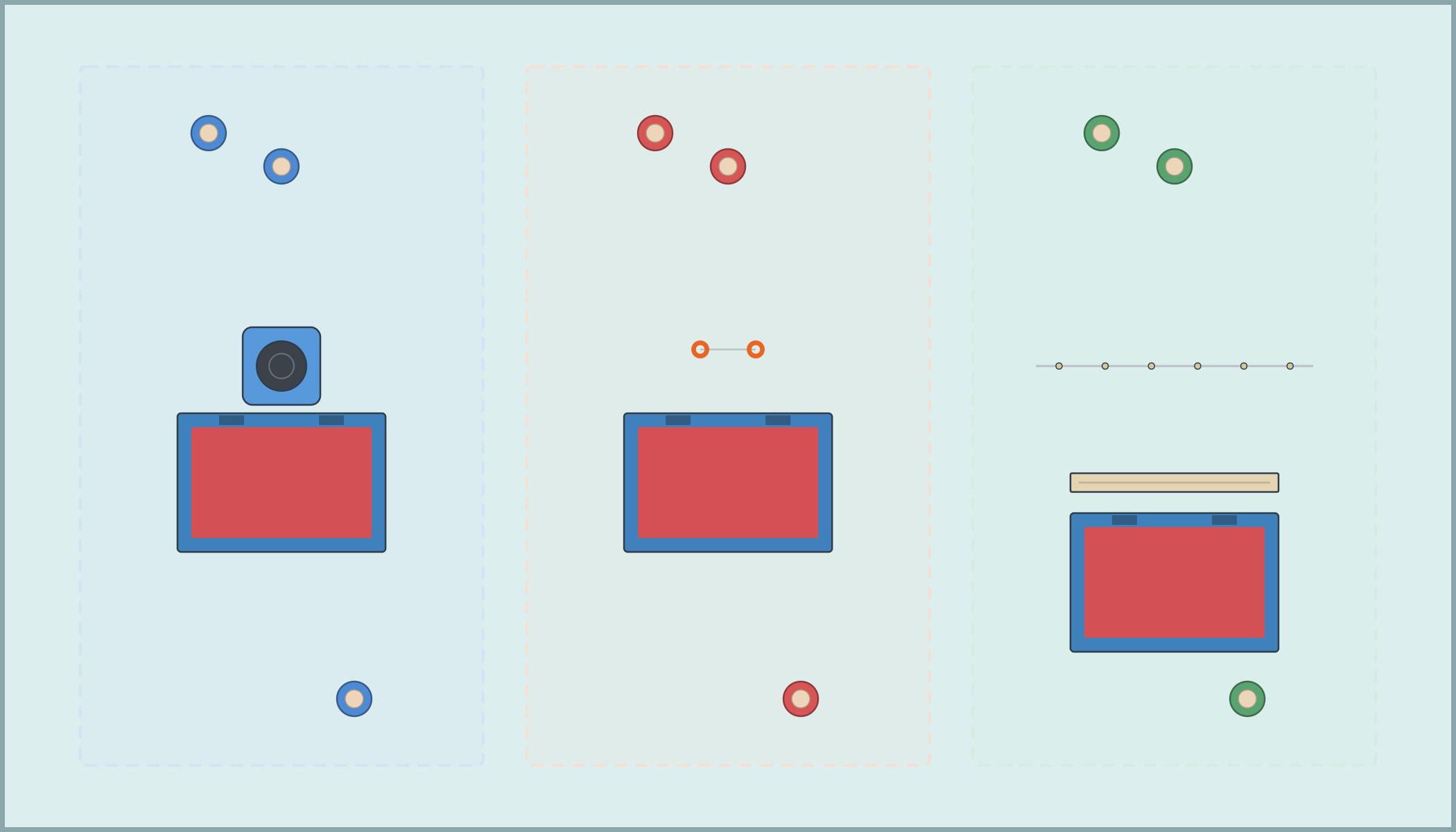
Whole hall · 21 × 12 m · 7 items

What you need

The game

How does it work?

In acrogym, children build shapes together, such as a chair, a star, a tower or a centipede. KijkZo has made a set of 45 cards for this, for children aged 4 to 14. Each card shows an exercise and has a level rating in stars: 1 star is from ages 4–6, 2 stars from ages 6–8, 3 stars from ages 8–10, 4 stars from ages 10–12 and 5 stars only for the real experts, with extra attention to safety. First explain the rules card and then let the children get started on their own with a few cards that suit their level. A supervisor always keeps an eye on safety and how the exercise is done. At the end of the lesson the groups can show their shapes to the class.

Preparation

How to set it up

  1. 1Lay out mats, preferably as an island of small mats or on one long mat.
  2. 2Show the acrogym rules card and explain what the children need to look out for.
  3. 3Choose about six cards that suit the group's level and put them out: loose on the floor or a mat, on a bench or vaulting box, or hang them with a peg on a piece of string.
  4. 4Let the children work independently in groups with the cards; a supervisor always watches the safety and whether the exercise is being done properly.
  5. 5Have the children put an exercise back or hang it up neatly afterwards.
  6. 6Finish with an acrogym show: the groups show their rehearsed exercises to the class, with music if you like.

Set out

0/3

Organisation tip

Choose about six cards per lesson and display them on a bench, vaulting box or on a piece of string: children pick up a card themselves and put or hang it back afterwards, which keeps the lesson orderly and makes the cards last longer.

Adjusting

Making it easier or harder

The same game has to work for 6-year-olds and 11-year-olds. These are the dials you can turn.

Acrogym show

Have the groups show their rehearsed exercises to the class at the end of the lesson, with music if you like.

By level

Start with cards with few stars and only let children move on to a harder card if the previous one went well and safely.

Movement skills

Where this lesson fits

Based on the Dutch national PE curriculum (SLO), this lesson practises the following themes. The goals below belong to phase 3 · ages 9–12.

Head over heels

Whole theme

Turning over a bar

Starting a rotation to go head over heels, and slowing it down again in time

  • turning backwards over a bar with a push-off

Rolling

Pushing off to go head over heels after placing your hands, and slowing the rotation down in time

  • rolling onto a raised surface from a mini-trampoline after a short raised run-up

Free jumping

Taking off to stay in the air for a long time

  • free jumps with tricks

Vaulting

Taking off to stay in the air for a long time before and/or after placing your hands on a support

  • flank vault with a mini-trampoline
  • rolling on a raised surface with a mini-trampoline and a raised run-up
  • squat vault taking off from a springboard
  • straddle vault with a springboard
  • cartwheel with a run-up

Source: SLO, Inhoudslijnen primair onderwijs — Bewegingsonderwijs (July 2018). The link with this lesson is a suggestion based on the type of game and the description.

What pupils work on

  • Build and hold an acrogym shape together
  • Choose and try out a next exercise at your own level
  • Help each other, watch out for safety and give feedback using the task card
  • Show a practised shape to the class

What to watch out for

Work on a soft surface, such as an island of small mats or one long mat, and always have a supervisor watching. Don't put out all the cards at once, so children don't pick exercises that are too hard; only give out harder cards when children show they are ready for them. Take extra care with safety on the 5-star cards.

Reviews from teachers

Verified teachers or guests (after approval) — real experiences

Not signed in?

Sign in with your school email address, or continue without an account — a moderator will then check your post before it appears.

Sign in with a school email

Loading reviews…

Not quite right?

Similar lessons

Gymnastics

Breaking a Fall: Rocking and Judo Rolls

The two most important skills for rescuing yourself safely in a fall: being able to rock calmly on your back, and being able to roll over your shoulder instead of falling.

Source: KijkZo.nl (Mark & Kirsten Roth-Koch)

Ages 4–12 30 min PE hall
Gymnastics

Learning the Handstand

From feeling your first weight on your hands to a free-standing handstand against the wall – in three stations you work at your own level.

Source: KijkZo.nl (Mark & Kirsten Roth-Koch)

Ages 4–12 30 min PE hall